




What to do during your luxury holiday to the Italian Lakes
Top things to do in the Italian Lakes
The Italian Lakes really do offer something for everyone. They are ideal for water sports enthusiasts, particularly windsurfers and sailors, due to the constant breezes and relative safety. Walkers will love exploring the lakeside towns and villages and the more serious hikers will be able to enjoy the higher slopes that enclose each lake. As you would expect, the Italian cuisine in the Italian Lakes is as good as any you will find in Italy. And there is plenty of beautiful architecture to admire too, whether it is the villas of Lake Como or church of Santa Caterina del Sasso that clings to the rocks of Lake Maggiore or the Roman remains in Brescia. And, of course, the nearby cities of Milan or Verona offer an abundance to see and do. Moreover, there are gardens in abundance for nature lovers to enjoy and admire. For us, Villa Carlotta on Lake Como stands out as do the gardens on Isola Bella on Lake Maggiore. And can there be anything more romantic than taking a boat trip on any of the Italian Lakes? Few views can compete with that of Bellagio when seen from the water.
Art and architecture in the Italian Lakes
Lake Como’s lakeside villas have been used as the backdrop for numerous films over recent decades. For example, Villa del Balbianello was the location for scenes from the Bond film Casino Royale as well as the 2002 epic Star Wars: Attack of the Clones. This and Lake Como’s Villa Carlotta, Villa Olmo, Villa Serbelloni and Villa Melzi are all superb examples that depict the grandeur of an earlier age. And they are all fantastic examples of the incredible architecture of that era. The numerous villas built on Lake Como’s shores date from between the seventeenth and eighteenth centuries. However, there are later examples from the Art Nouveau period such as the early twentieth century Villa Oleandra.
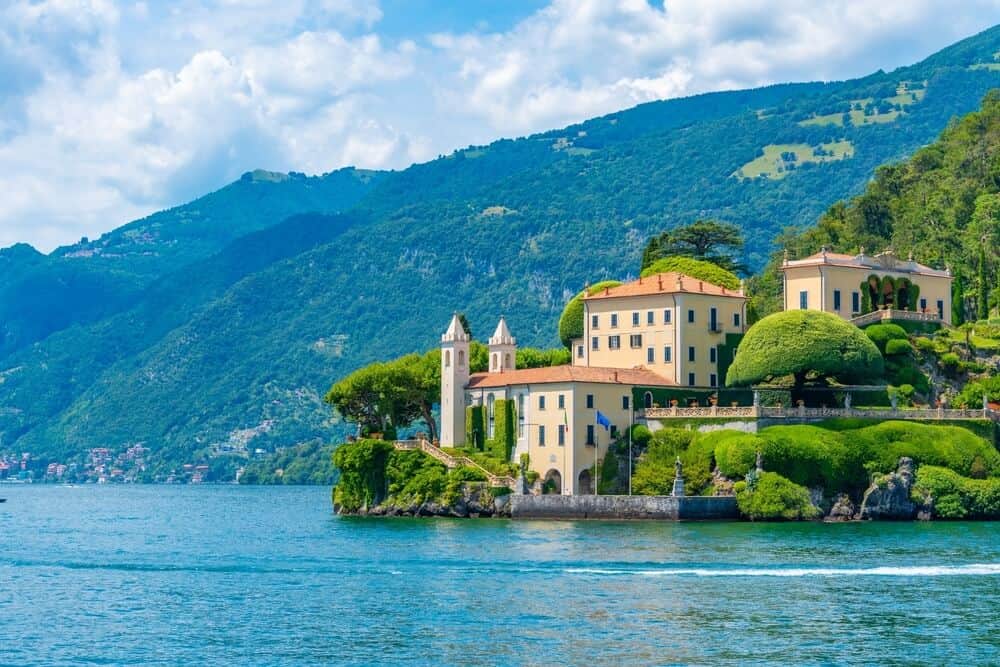
The Borromean Islands on Lake Maggiore are home to the most incredible Baroque Palace on Isola Bella. A tour will take you through rooms filled with priceless antiques and artworks. Likewise, the Palazzo Borromeo on Isola Madre is also home to an incredible display of furnishings and artworks from the family’s historic residences. There are other superb examples of architecture in other villas around Lake Maggiore. These include Villa Taranto, Villa Giulia and others. Also of note on Lake Maggiore is the beautiful Santa Caterina del Sasso monastery. This clings to the rocks and be reached either by road or boat. It contains some important frescoes that date between the 14th to 18th centuries.
Adding to the villas of Lake Como and Lake Maggiore are the castles on Lake Garda. Lake Garda has been at the crossroads of both trade and communication for centuries, so it’s perhaps not a surprise to see that rulers and nobility built castles to defend their territory and control resources. Some of the most significant include the Castello Scaligero in Sirmione as well as the Scaliger Castle in Malcesine. Also of note is the Castle of Torri del Benaco and the castles in Lazise and Padenghe.
And we must not forget the art and architecture of the principal cities within the Italian Lakes region. Leonardo da Vinci’s The Last Supper is on display in the Convent of Santa Maria delle Grazie in Milan. Likewise, in Verona, you can admire the incredible Arena di Verona, a Roman amphitheatre. Verona’s historic centre is, in fact, one of Italy’s UNESCO World Heritage sites and is home to an incredible array of architectural styles that date as far back as Roman times through to the Romanesque and Gothic eras and onto the Renaissance period. Brescia is also a UNESCO World Heritage site. It is where you will find the Castello di Brescia, whose architecture spans a number of historical periods, as well as the Renaissance Piazza della Loggia and not one but two cathedrals. It also boasts a number of superb art galleries as impressive as those in Milan.
Exploring the beautiful gardens of the Italian Lakes
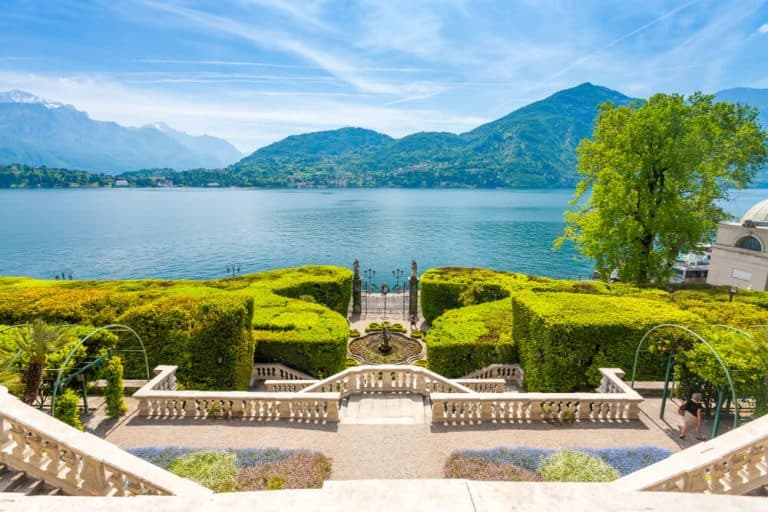
Not surprisingly, the lakeside villas in the Italian Lakes also boast just as exquisite gardens. You’ll need at least a couple of hours, if not more, to do justice to the incredible gardens at Villa Carlotta. These house an abundance of rare plant species within the 8 hectares of grounds. The intricate terraced gardens at Villa del Balbianello are just as exquisite. Alternatively, take a stroll through the Serbelloni Park gardens. The views of the lake are spectacular. Or opt for the gardens at Villa Melzi in Bellagio or those at Villa Cipressi in nearby Varenna which flow down to the lakeside.
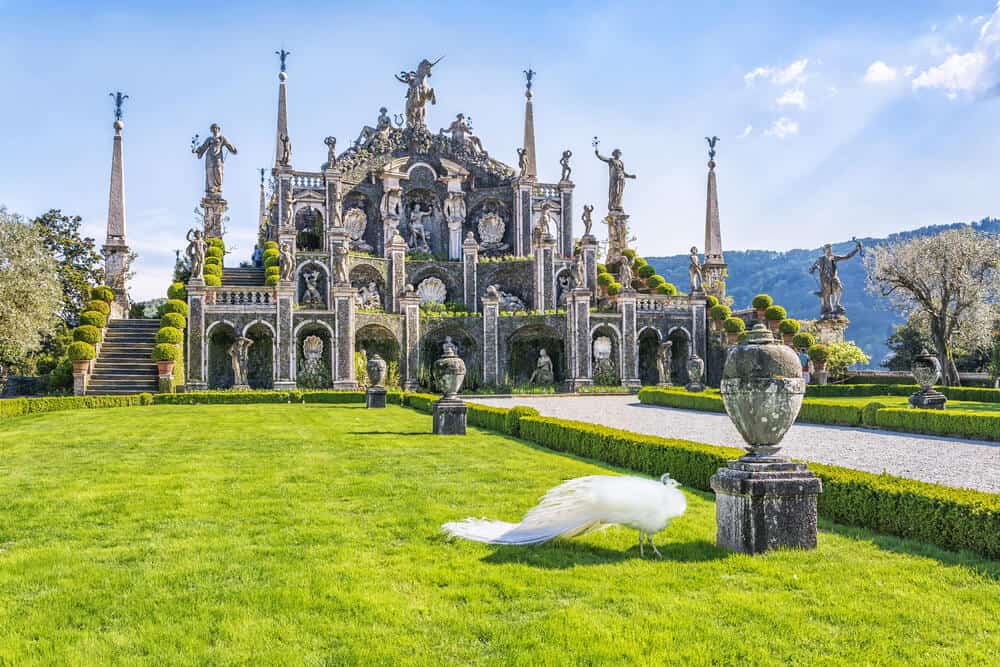
Rivalling these are the gardens of the Borromean Islands on Lake Maggiore. Here, the gardens on the beautiful Isola Bella are home to white peacocks. And at Isola Madre the 19th century English landscape garden is magical. Budgerigars will fly above you whilst you explore., walking among azaleas, camellias, rhododendrons, citrus trees and more. Visit in the Spring to marvel at the scala dei morti, a set of stairs covered in the most incredible wisteria. There are also beautiful gardens at Villa Taranto. We recommend you coincide your visit there with their Tulip Festival in the Spring. Or there are also the Alpine Gardens in Stresa along with the less well-known San Remigio Gardens.
Lake Garda is not as well-known for its gardens but there are still some impressive ones to explore on your next Italian Lakes villa holiday. For example, the arboretum at Arco has species originally planted back in the 19th century by Archduke Alberto of Habsburg including majestic holm-oaks, magnificent conifers and giant sequoia. Or on Isola del Garda the 19th century Venetian Gothic villa is surrounded by a beautiful natural park. Just be aware that to explore it you will need to book in advance through an authorised guide.
The smaller lakes can boast just as impressive gardens to discover. Our favourites include those at Villa Nigra in Miasino as well as the gardens at Villa Crespi. The latter is now a luxury hotel but it is possible to visit the grounds. The gardens at Villa Bossi in Orta San Giulio may be smaller but they are still charming, whilst the Italian style garden at Villa Bossi is rather romantic. Or, our final recommendation on Lake Orta would be the gardens at Villa Monte Oro in Armeno. Enjoy a long walk past colourful flower beds along the perfectly manicured lawns.
Vineyards and wineries in the Italian Lakes
Wine making has a long history in the Italian Lakes region dating as far back as the Bronze Age. However, some of the Italian Lakes are known for their wineries much more than others.
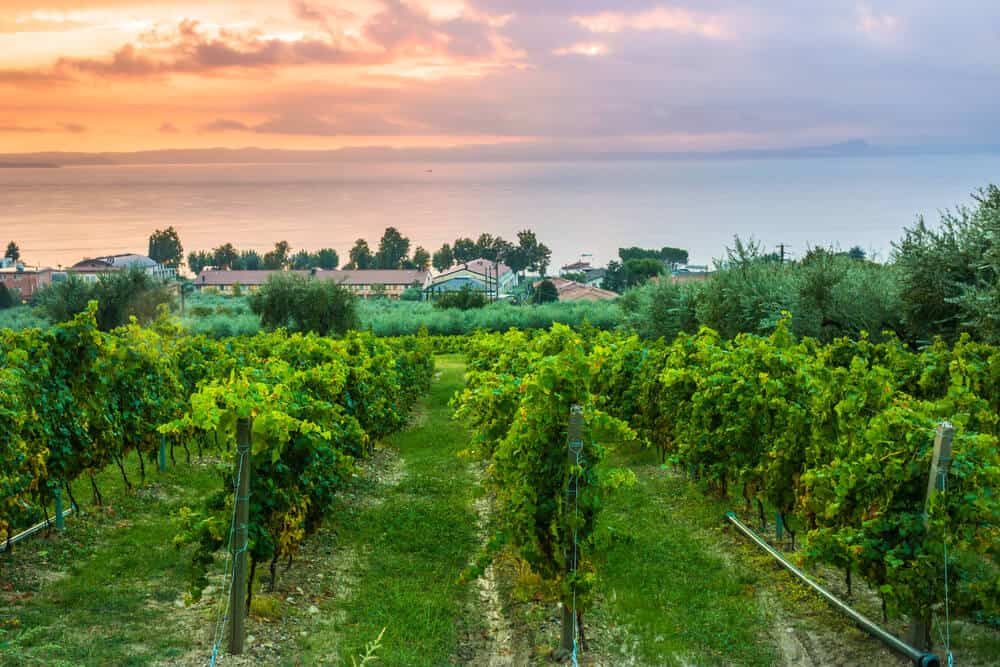
If you’re a keen wine buff, we would recommend you head to Lake Garda. This is where you will find the most wineries and the largest selection of wine. Wine is produced in the Bardolino hills to the east of Lake Garda. This is where you can enjoy Chiaretto rosato wines as well as Bardolino, a light red wine. In the south of Lake Garda, you then have the Lugana and Costoza white wines. And in the west you can enjoy Valtenesi and Riviera del Garda wines. But, by far the top red wine produced around Lake Garda is the very full-bodied Amarone della Valpolicella. It has a distinct aroma, created during the drying process – the grapes are dried for between 100 and 120 days in the ‘straw wine’ method.
Beaches in the Italian Lakes
The pace of life in the Italian Lakes is slow and relaxed. In the Summer months, sightseeing can be easily interspersed with time spent on the beach and in the lake. The lake waters tends to reach an average temperature of between 20 and 22 degrees centigrade in July and August so it’s very pleasant for swimming.
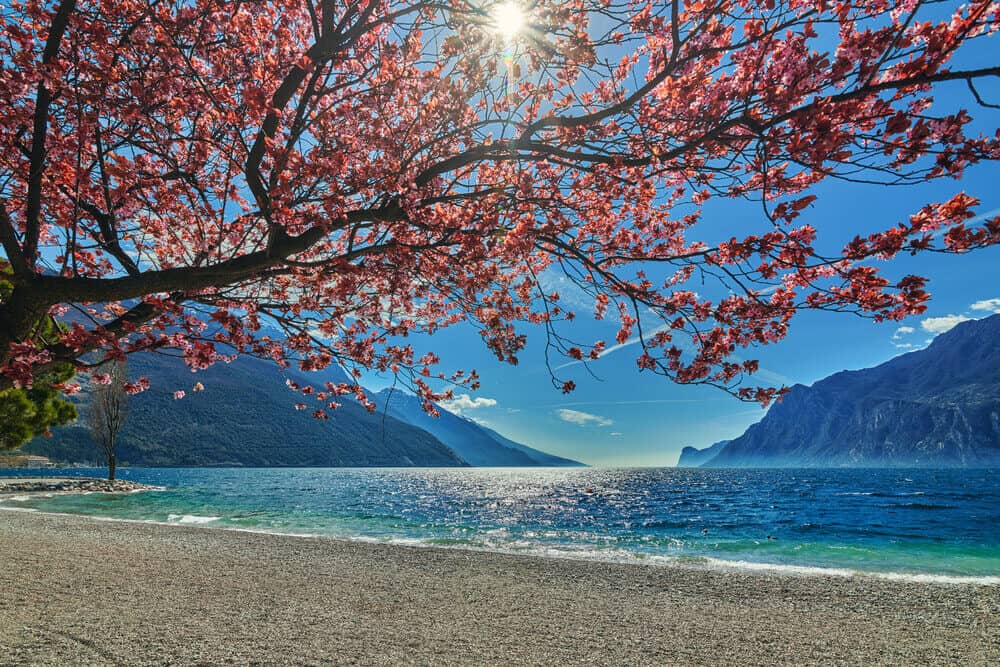
Lake Maggiore is dotted with small lakeside beaches. You can frequently park on the roadside and gain access to the lake. There are also larger beaches with car parking and other facilities such as volleyball or beachside cafes. And then there are lidos. Our favourite on Lake Maggiore is the one at Locarno in the Swiss part of the lake. As well as lake access, this boasts four outdoor pools, a diving pool, indoor pools, water slides and more. There are also lidos at Ascona and Baveno.
There are also some tiny beaches in the valleys leading down to Lake Maggiore – Valle Maggia and Valle Verzasca. Just a word of caution here – the currents can be extremely strong and the water icily cold in these hillside rivers so pay attention to any warning signs. That said, Valle Maggia is one of the few places you can actually find a sandy beach so if you have children with buckets and spades to use, this may be a good option.
Lake access isn’t necessarily so easy on all of the other lakes. On Lake Como, the position of private lakeside villas or grand lakeside hotels sometimes mean that getting to the lake water isn’t always as easy for the general public. You should also expect to find the water temperature in Lake Como cooler than that of the other lakes, due to the lake’s depth and chilly under currents. That said, there are still a few small pebbled beaches and a good number of lidos to be enjoyed. The most popular and well-known lidos include San Giovanni in Bellagio, the Lido di Ossuccio, the Lido di Lenno and the Lido di Cadenabbia which has a large swimming pool that sits over the lake. The lidos at Menaggio, Cernobbio and Bellano also have a pool as well as lake access. We also recommend you visit the enchanting spot at Nesso-Ponte della Civera – you may well recognise the bridge from photos. You can dive into the lake here and swim under the bridge for the perfect Instagram shot!
On Lake Garda, the beaches are more varied and there are a mix of sandy, pebbled and rocky beaches to enjoy. The landscape differs quite considerably from the south to the north of the lake too. Expect the water to be much more shallow in the south than the north too. Some of our favourite beaches on Lake Garda are Spiaggia Tufi in Limone sul Garda, the sandy beach at Lazise, the Jamaica Beach at Sirmione and the beach at Riva del Garda which is particularly popular with windsurfers.
Expect the same on the smaller lakes too. Lugano on nearby Lake Lugano also has a fantastic lido whilst Lake Monate has a number of both public and private beaches along its shores. Lake Orta has consistently been recognised in the top 10 cleanest beaches in Europe. Most of its beaches are smaller and pebbled. But some of the bigger beaches include the Lido di Gozzano and Spiaggia Miami. La Bagnera di Orta is popular thanks to its location in Orta San Giulio and we also recommend the Bagnella Beach in Omegna.
Water sports in the Italian Lakes
With their reliable breezes and calm, clear waters, the Italian Lakes are a playground for water sports enthusiasts. Lake Garda is the undisputed star, particularly at its northern tip around Riva del Garda and Torbole, one of Europe’s most popular spots for windsurfing, kitesurfing and sailing. Here, two regular winds do the hard work: the Pelèr, which blows from the north in the morning, and the Ora, which arrives from the south in the afternoon.
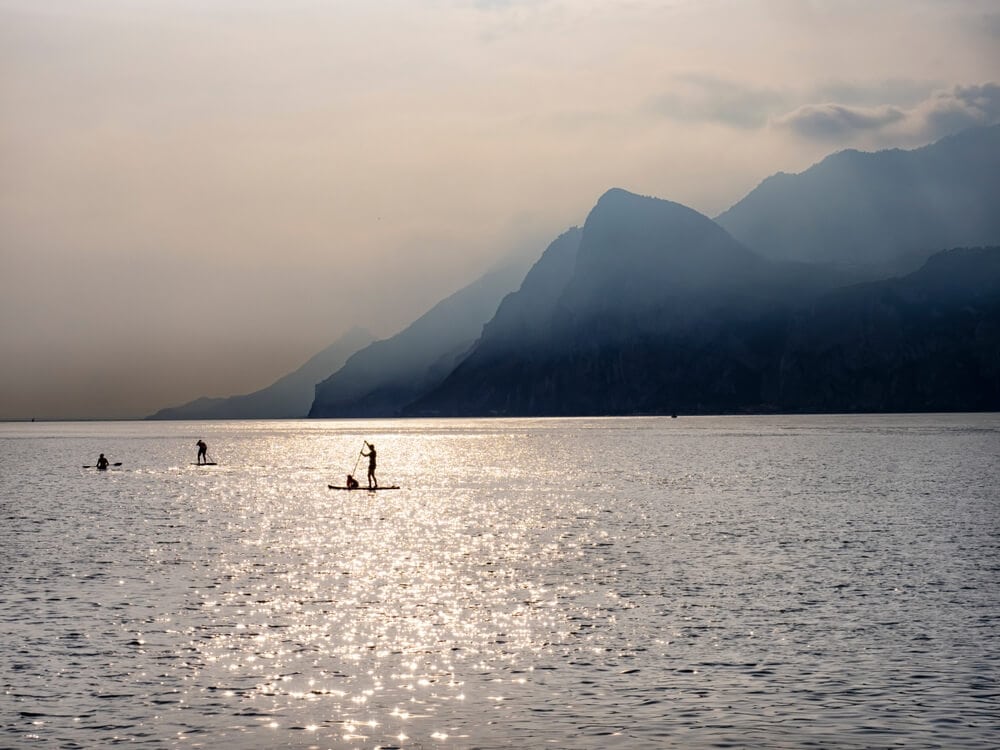
If you prefer something a little more leisurely, the calmer waters of Lake Como, Lake Maggiore and Lake Orta are perfect for kayaking, paddleboarding and swimming. Many lakeside towns also have places where you can hire a motorboat for the day, which is one of the best ways to explore hidden coves and lakeside villages at your own pace. And for a touch of glamour, why not book a trip on one of Lake Como’s classic wooden Riva motorboats?
Hiking in the Italian Lakes
Whichever lake you choose to visit, the hillsides around each are a paradise for hikers. It’s the perfect place to get up close and personal with nature. The main walking season is from Spring through to Autumn. Just be aware that if the area has seen heavy snowfall, then some of the highest peaks may still be impassable in April.
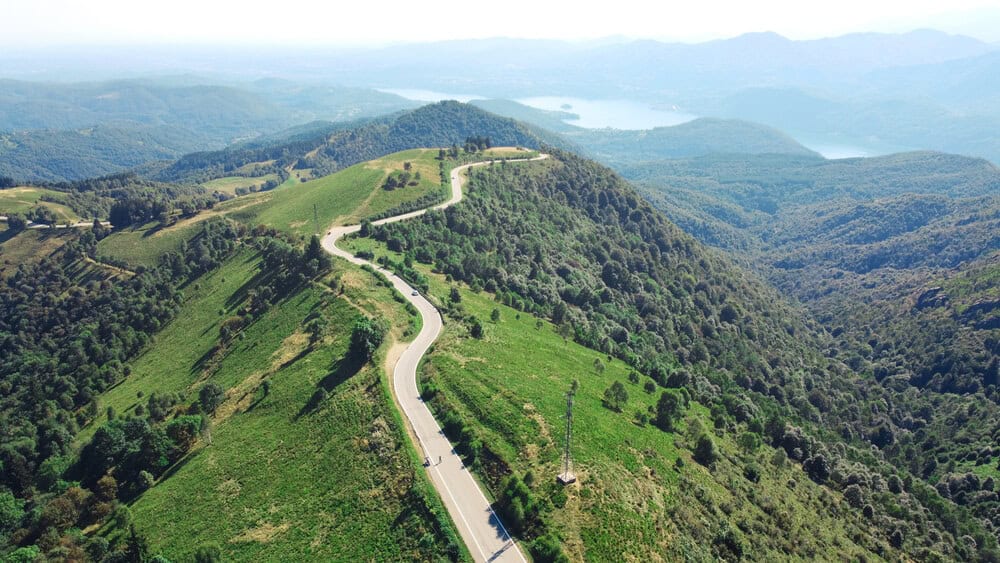
Many of the walking routes provide a fascinating insight into the history of the region. As an example, a number pass through First World War defence lines so it’s not unusual to come across the remains of a trench, cave lookouts, artillery positions, military mule tracks, logistical structures, tunnels or even barracks. Other walks may take you through vineyards such as those on Lake Iseo through the Franciacorta wineries. Others pass by waterfalls. Others may incorporate film history. Head for a hike in the valleys that lead down to Lake Maggiore – Valle Maggia and Valle Verzasca – and you can visit the Verzasca Dam which features in the opening sequence of James Bond’s Goldeneye for example. What is certain is that what connects all will be the most idyllic scenery accompanied by the most incredible views.
There are routes for all abilities too. Some of the most demanding may involve the climb from the lakeside up the surrounding hillsides. However, for those looking to reach the summit with a little less exertion, a number of cable cars or funiculars provide transport from the lakeside up to the top of the hills from where you can start your hike. The views over the lakes are incredible from here and marked paths will lead you through the magnificent countryside.
Some of these cable cars include the affectionately named ‘bucket lifts’ in Laveno and both the funicular, Cardada cable car and chairlift at Locarno. On Lake Como, you have the Como-Brunate funicular. There are also two cable cars on Lake Como. The first is the Piani d’Erna Cable car near Lecco. The second is the cable car from Argegno to Pigra. In just 5 minutes, it will take you from 200 metres to 850 metres above sea level – the views at the summit and en route are spectacular. On Lake Garda, you have perhaps the most impressive of all – the rotating cable car that goes from Malcesine to the top of Monte Baldo. And on Lake Lugano you have the Monte San Salvatore funicular.
Sadly, there was a tragic incident in May 2021 on the cable car that once took visitors up from Stresa to the Mottarone mountain. It has been closed ever since. However, if you do want to drive up to the summit, there are also some wonderful walks on the Mottarone on Lake Maggiore. Here you can see all seven lakes on a clear day.
Of course, you don’t need to catch a ride in a funicular or a cable car to enjoy some great hikes. You will see clearly marked trails from many of the lakeside towns and villages in the Italian Lakes. The breath-taking scenery and variety of terrain makes the Italian Lakes one of the best areas in Italy, if not Europe, to enjoy hiking.
Cycling in the Italian Lakes
In the same way as the countryside around the Italian Lakes is great for walking, it’s just as good for cyclists too. The mountains surrounding the Italian Lakes have special tracks for mountain bikes, whilst, in the main, the roads that lead around the lakeside are relatively flat and perfect for road bikes.
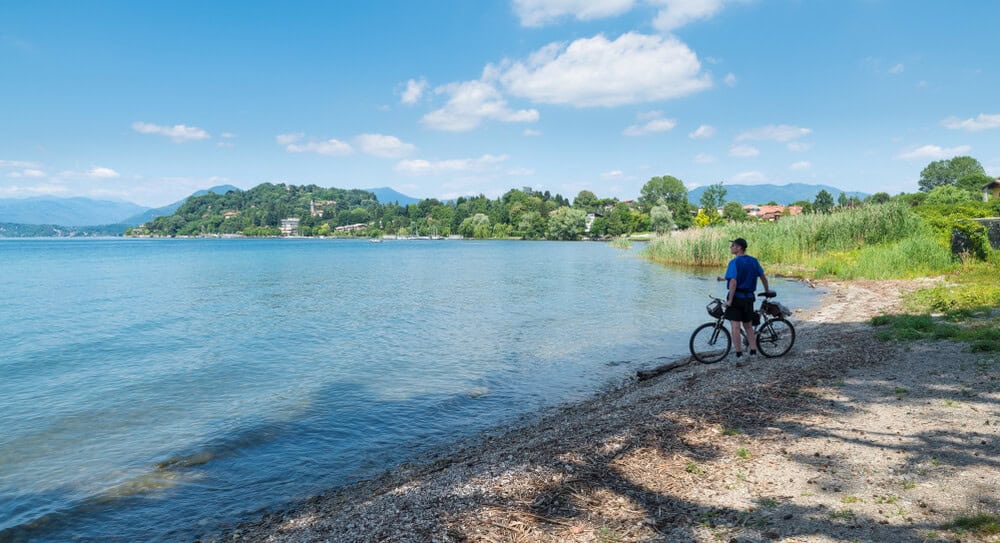
It would certainly be easy to cycle all the way around some of the lakes. The circumference of Lake Orta is just under 34 km and Lake Lugano 67 km. Even the circumference of Italy’s largest lake – Lake Garda – is only 160 km. In fact, a Garda by Bike project is finalising a continuous 140 km pathway that will take cyclists all the way around the lake. The already completed suspended path at Limone is amazing. Whilst not quite finished, don’t let that put you off. You can easily connect between pathways.
Best Places to Visit in the Italian Lakes
We would argue that some of the best places to visit in the Italian Lakes are its hidden gems. However, we appreciate that there are also a number of bucket list sights that simply have to be ticked off for you to have fully discovered the region. For us, these attractions are those bucket list places…
Milan
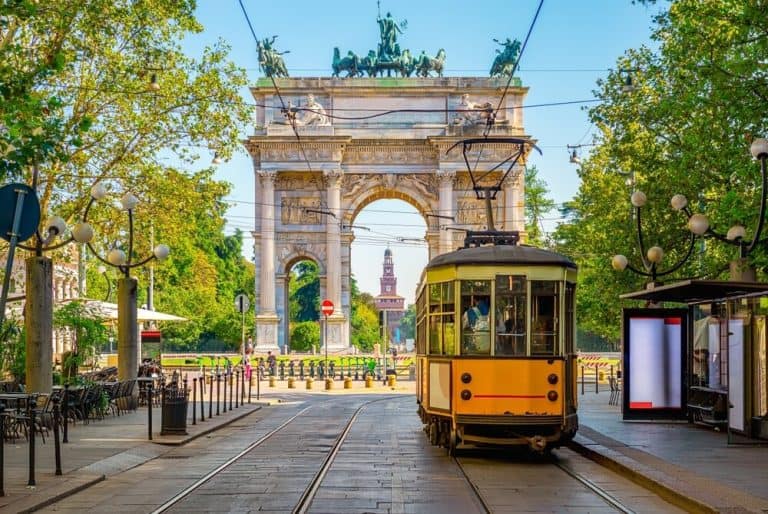
Milan sits less than 60 km from both Lake Como and Lake Maggiore. It is home to an iconic cathedral – the Duomo – as well as the beautiful Galleria Vittorio Emanuele II shopping arcade, the prestigious Teatro alla Scala opera house as well as the historic Sforzesco Castle and neighbouring Sempione Park. It is also where you will find one of Italy’s UNESCO World Heritage sites – the Santa Maria dell Grazie – which is home to Leonardo da Vinci’s painting of The Last Supper.
Verona
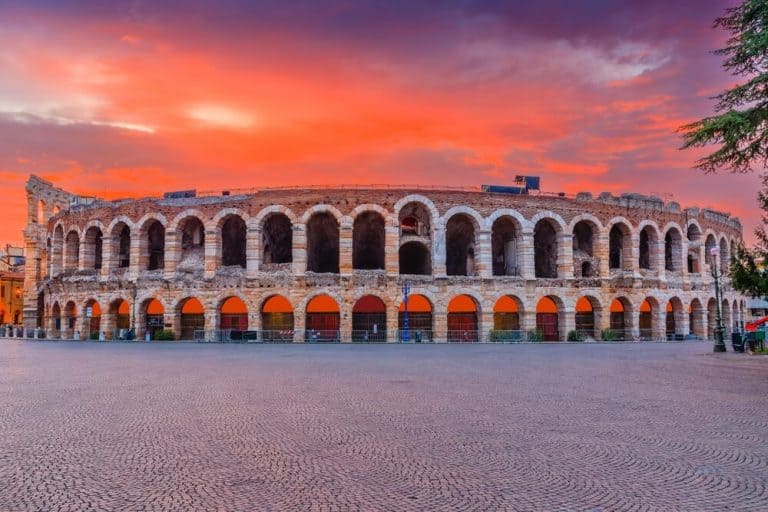
One of Italy’s many UNESCO World Heritage sites, Verona is home to one of the richest collections of Roman remains in Northern Italy. It is a beautiful and historic city with a wealth of attractions to visit. These include the incredibly well preserved Arena di Verona, Juliet’s House with its famous balcony and the enchanting Piazza delle Erbe and Piazza dei Signori.
Borromean Islands
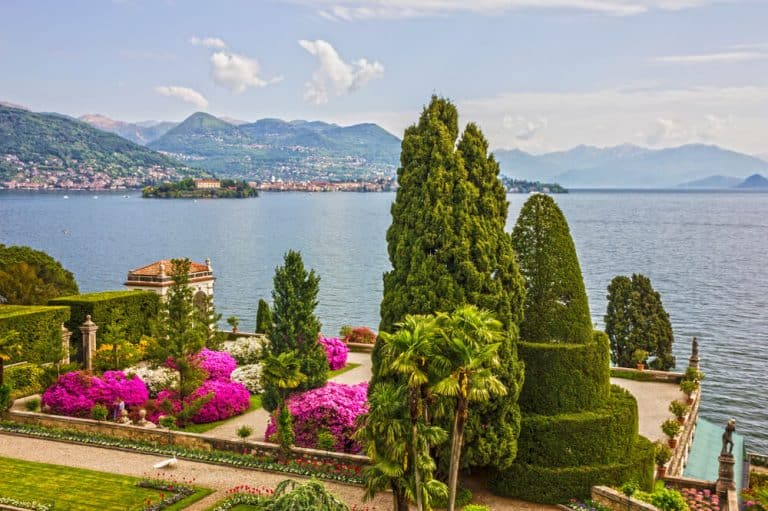
Nestled just off shore from Stresa on Lake Maggiore, the Borromean Islands are made up of Isola Bella, Isola Madre and Isola dei Pescatori. The latter is the only inhabited island but is where you will enjoy some of the best fish dishes anywhere on the lake. Isola Bella is home to the beautiful Palazzo and its gardens which are in turn home to the famous white peacocks. Visitors can not enter the house on Isola Madre but the gardens are open to the public and are also well worth a visit.
Santa Caterina del Sasso
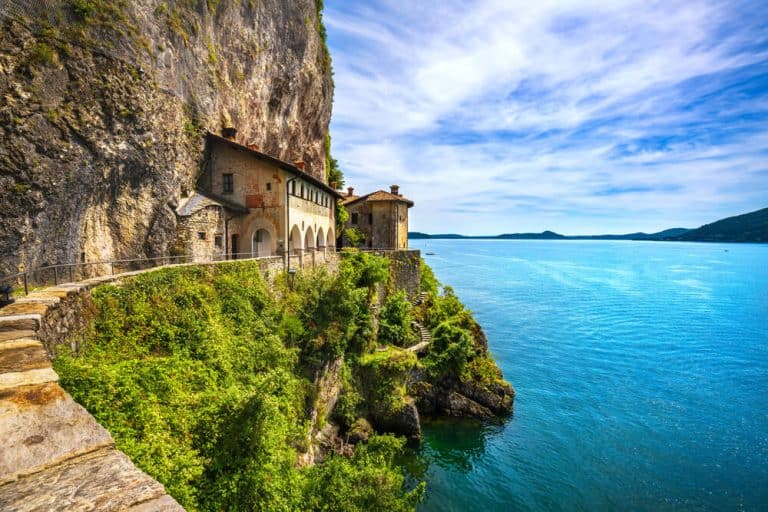
Reached either by road or by boat during the summer months, this is a hermitage clinging to the rocks on Lake Maggiore. So the story goes, the hermitage was founded by Alberto Besozzi. He was a rich local merchant who, having survived a heavy storm while crossing the lake, then retreated to this rocky ledge to live the life of a hermit. These days the monastery is under the care of Benedictine monks. It is home to beautiful well-preserved frescoes dating from the XIVth to the XVlllth century.
Villas on Lake Como
Whilst most of the Italian Lakes are home to historic villas, those on Lake Como are the most famous. Here, many of them are open to the public and offer a glimpse into aristocratic life over the centuries. Villa del Balbianello near Lenno is arguably the most iconic. It is famous for its terraced gardens and has been the backdrop to numerous films including Star Wars and James Bond. Also of note though is Villa Carlotta in Tremezzo. Here the botanical gardens outdoors are as spectacular as the art collection indoors. And near Bellagio there is Villa Melzi with its serene lakeside gardens and stunning neoclassical architecture.
Vineyards of Lake Garda
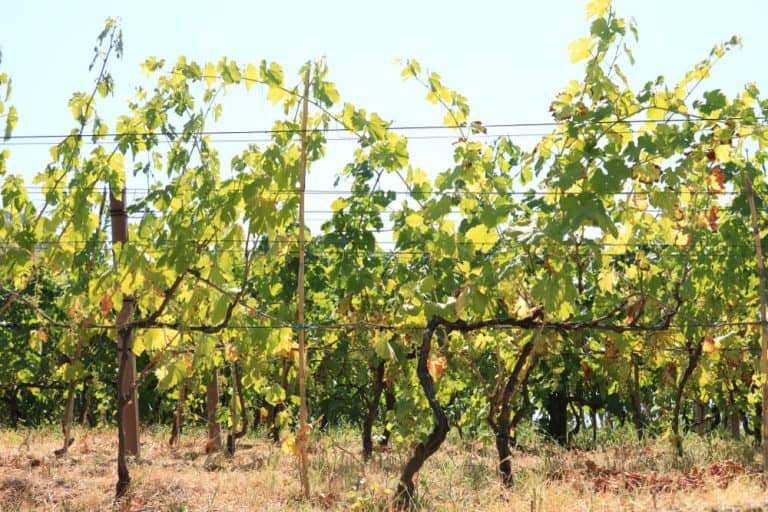
The vineyards and olive groves around Lake Garda are idyllic. The region is famous for producing some of Italy’s most renowned wines, including reds such as Amarone and Bardolino and whites such as Lugana. Visit one of the many family-run wineries or olive farms, enjoy a walk among the vines and trees before enjoying a tasting accompanied with local food pairings.
What to Eat and Drink in the Italian Lakes while on a luxury holiday
As you can would expect from any of Italy’s regions, the Italian Lakes serves up the most delicious food. The area sits in a number of different regions of Italy – Lombardy, Veneto, Trentino and Piedmont – and all bring their own influences and culinary traditions. There are plenty of regional specialities we recommend you trying during your Italian Lakes villa holiday.
Fish
It is probably not surprising to discover that many of the local specialities are fish dishes. The lake waters are home to a large variety of fish. The most popular varieties used in cooking are the trout and perch, however there are also whitefish, trout and others. These are usually served with herbs. However, for something more unusual, opt to try the sun-dried fish of Lake Como – missoltini – or a dish called Pesce in Carpione. This is a dish usually served cold and can be enjoyed either as a starter or main course.
Or on Lake Garda, try the Bigoli con le Sarde. This is a traditional Venetian dish that combines pasta with fresh lake sardines and extra virgin olive oil. Or instead sample the Risotto con la tinca. This is a traditional risotto that uses tench.
Meat
On Lake Garda, look out for Tortellini di Valeggio sul Mincio. This is filled pasta served in a meat broth made using Bardolino.
In the mountains around Lake Como and Lake Maggiore, salted meats are popular. Sausages are often flavoured with wild mushrooms or rabbit. In the Ossola Valley, near Lake Maggiore, viulin is a dish that comprises the leg of a goat stuffed with herbs and spices. Not far away in Val Vegozzo, Santa Maria Maggiore is famous for its smoked ham. Or on Lake Como look out for casoeula in restaurants. This delicious dish combines pork and cabbage.
Cheese
A number of dishes you find in the Italian Lakes also use local cheese. La Carbonera is a traditional dish historically eaten by poor charcoal makers. It consists of polenta, Monte Baldo cheese and extra virgin olive oil. It is most common in the north of Lake Garda. On Lake Como, local cheeses include Ricotta del Lario, Nostrano, Semuda, Magra di Bellagio and more. It is often used quite simply combined with polenta and butter to create polenta uncia. On Lake Orta, look out for the Gnocchi di patate con Gorgonzola e noci on restaurant menus. And finally on Lake Maggiore enjoy the mild tasting Ossolano d’Alpe, Bettelmatt and yellow coloured Mottarone cheeses. We love these best on their own or dipped into some local honey. These are usually made on the high mountain pastures. But cheeses are also made lower down on the lake shores too. For example, the Formagello of Luino is a firm goat’s cheese.
Bread
Fun fact: Ciabatta bread originated in the Como area. You can still enjoy it today along with other bread specialities. These include Miascia (bread cake), Braschin (sweet focaccia), Pan de Mej (sweet focaccia with elderflower). Other sweet treats made using local flour include Resta (and Easter cake) and Pan Matalach. This is found in Bellagio and is similar to a panettone.
Olive Oil
Garda DOP extra virgin olive oil must be tried on any Lake Garda visit. Whilst not as well known, Lake Como also has olive trees on the hilly terrain around the lake ever since ancient Greek and Roman times. Olio dei Laghi Lombardi has
Desserts and sweet treats
Our favourite sweet treat is the Cassata Gardesana made using ricotta, honey and candied fruit. However a close second is the Margheritine of Stresa. And most people agree that Panettone originated in Milan.
Wine
The slopes around Lake Garda are not just planted with olive trees. They are also home to a number of wineries. Wash all this delicious food down with a glass of red – Bardolino Classico and Superiore, Amarone, Valpolicella or Groppello . Alternatively, opt for the rose wine – Bardolino Chiaretto – or one of the local whites – Custozo or Lugana. Wines are also often used in cooking too. The Risotto all’ Amarone is a risotto made using Valpolicella wine as well as local Monte Veronese cheese.
Part of Lake Maggiore’s shores also fall into Piedmont This is prime wine making country. And you can also enjoy Nebbiolo from the Novara hills.
The upper area of Lake Como is also a wine producing area. Here white wines using Chardonnay, Riesling and Verdese grapes whilst reds use Barbera, Merlot and Cabernet Sauvignon amongst others.
Let’s turn your dream Italian Lakes luxury holiday into reality
A luxury holiday in the Italian Lakes is filled with moments that stay with you long after you’ve returned home. It’s the first coffee of the morning as the mist lifts off the water, an afternoon spent wandering through fragrant lakeside gardens, and a long, lazy dinner on your terrace as the sun sets behind the mountains.
We take care of the finer details so you can simply enjoy the experience. Whether you’re looking for a lakeside villa with breathtaking views, a hillside retreat with a private pool or help from our concierge service to arrange a private chef or boat trip, we’re here to make your stay truly seamless. If you’re still deciding which lake to base yourself on, our guide on where to stay in the Italian Lakes is a great place to start.
Take a look at our handpicked collection of luxury villas in the Italian Lakes today, and let’s start crafting your unforgettable Italian getaway!
Have questions or need personalised recommendations? Contact our team, we are always happy to help!