




What to do during your luxury holiday to Puglia
Now that your travel arrangements are in place and you’ve found your dream villa, the fun part begins: deciding how to fill your days. Puglia, the sun-drenched heel of Italy’s boot, is a region of whitewashed towns, ancient olive groves and over 500 miles of coastline lapped by crystal-clear, turquoise seas. Here, a luxury holiday is about savouring life at a slower pace, whether that means wandering among the trulli of the Valle d’Itria, tasting full-bodied Primitivo and Negroamaro wines, swimming in a secluded cove or lingering over a long lunch of freshly made orecchiette. To help you plan a getaway that strikes the perfect balance between exploration and relaxation, we’ve put together our guide to the best things to do in Puglia, from its history and culture to the places you simply can’t miss and the dishes you have to try.
Top things to do in Puglia
History and culture in Puglia
Puglia has a long and fascinating history, shaped by a multitude of different cultures. The ancient Greeks and Romans, the Normans, Byzantines and Swabians, the Spanish and the Bourbons have all exerted their influence on this beautiful region. And this melting pot of cultures is very much visible today.
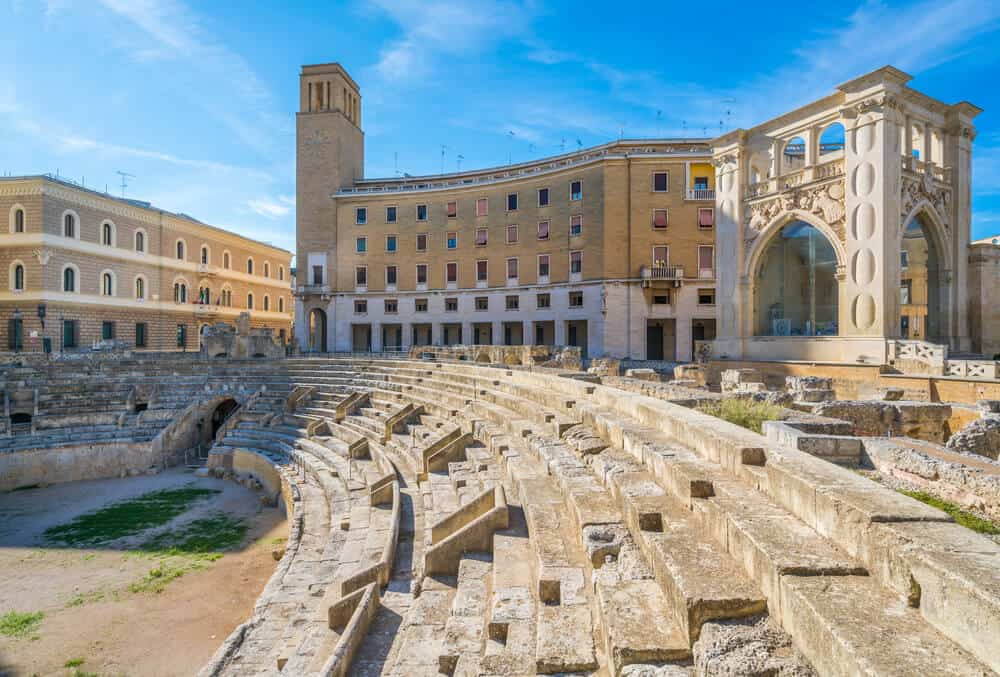
The ruins in Taranto are a great example of Puglia’s Greek history whilst those in Lecce are visible reminders of its Roman history. The Castel del Monte and the Basilica San Nicola in Bari are both superb examples of Puglia’s Medieval history whilst the Teatro Petruzzelli in Bari was a project of the Bourbon era, a period where there was extensive patronage of the arts and culture.
But of course, Puglia’s history extends beyond all these eras. Just outside Giovinazzo is the Dolmen of San Silvestro, a tomb dating back to the Bronze Age. Other tombs dating back to a similar period include the Dolmen Albarosa and the Dolmen di Montalbana between Ostuni and Fasano.
And if you want to go even further back again, then Altamura Man is a human fossil discovered in caves near Altamura. It dates to between 128,000 and 187,000 years old.
Vineyards and wineries in Puglia
Think of Italian wine and Puglia probably doesn’t come uppermost to mind. Instead Tuscany usually does or perhaps Piedmont. However, Puglia is in fact Italy’s second top wine producer when it comes to volume, behind Veneto but ahead of Sicily and Emilia Romagna. Until the 1990s, much of the wine produced in Puglia would have been shipped north to boost the wines of southern France or the more famous vineyards of northern Italy. However, these days, things have changed and Puglia wines have a new found respectability. In fact, with plenty of sunshine and cooling sea breezes, Puglia is now a significant wine-making region. In fact, the region even has a museum dedicated to Primitivo wine in Manduria.
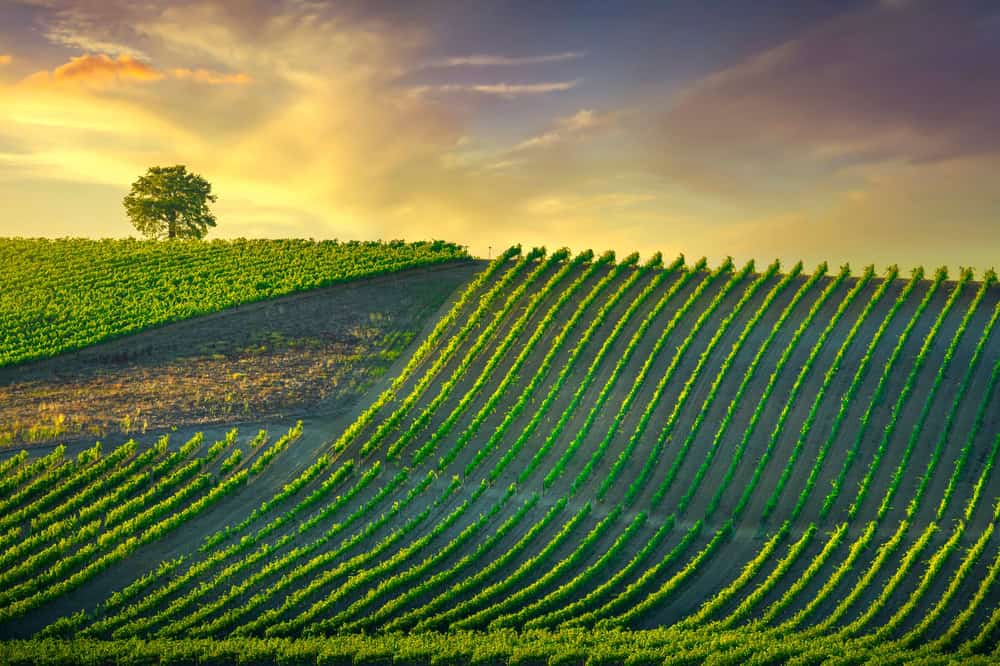
Puglia is famous for the production of full-bodied reds such as Negroamaro, Primitivo, Bombino Nero and Nero di Troia. Other wine varieties include Susumaniello and Salice Salentino. You can even find Montepulciano grapes in the north of Puglia near the border with Molise. However, it does also produce rose and white wines too. Fiano and Verdaca are both perfect for sipping on a hot sunny day.
Some of our favourite wine producers in Puglia include A Mano, Felline, Castello Monaci and Vallone.
Exploring the Puglia countryside
Puglia has some of the most beautiful rural landscapes anywhere in Italy. It is also incredibly varied. Puglia has two national parks. Furthest north is the Gargano National Park. This is the most extensive natural park in Italy. It encompasses the rocky spur jutting into the Adriatic Sea as well as the dense Umbra Forest, lush meadows, the limestone cliffs of the Tremiti Islands and the coastal lakes of Lesina and Varano. Heading south, you then have the Alta Murgia National Park with its rugged limestone plateaus and vast plains littered with ancient olive groves and Mediterranean scrubland. And then, in Puglia’s centre, the Valle d’Itria is characterised by rolling hills and ancient olive groves, dotted with charming whitewashed trulli. Nearby, there is the Terra della Gravine Nature Reserve. Here, the landscape is dramatic. Sixty canyons and ravines through which rivers would once have flowed stand as much as 500 metres above sea level. And again, it’s teeming with wildlife. And head to the south of Puglia and you have landscapes that include the Salt Basins of Margherita di Savoia. An enormous 20 km long and 5 km wide, it’s home to flamingos and other fascinating bird species.
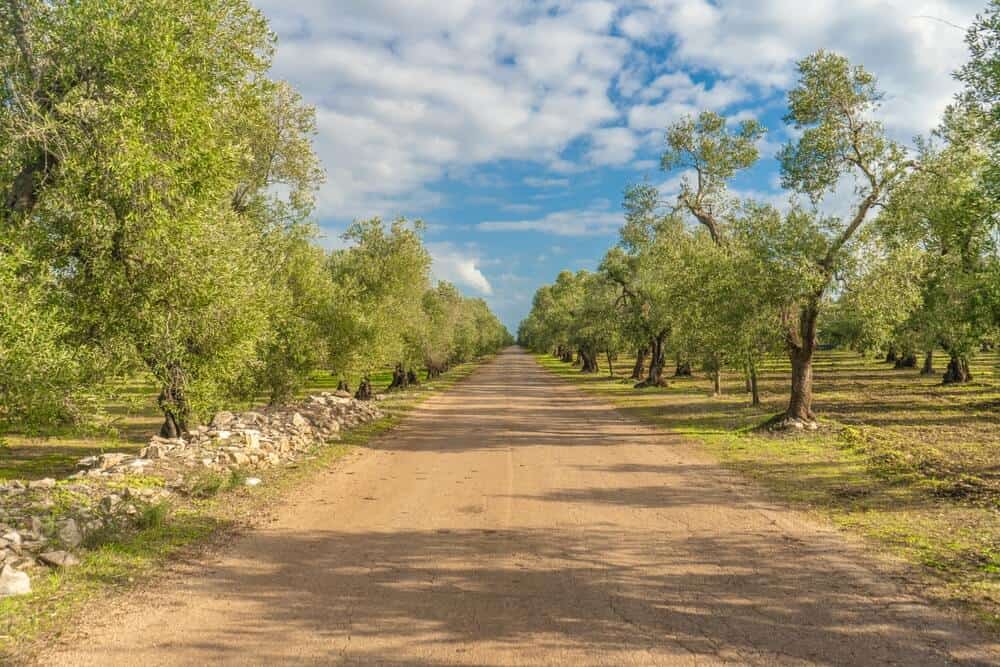
Whatever part of the Puglia countryside you choose to explore, you will find an abundance of wildlife, flora and fauna. There are numerous paths and trails for walking and hiking. But, even if you’re simply driving through the Puglia countryside en route from your Puglia villa to your sightseeing destination for the day, it’s a spectacular rural landscape to be admired and enjoyed.
Beaches in Puglia
With over 500 miles of coastline and 27 Blue Flag beaches in 2025, Puglia is one of the best regions to enjoy a beach holiday in Italy. The coastline is incredibly diverse though. Puglia boasts small rocky coves (some of which can only be approached from the sea), long sandy stretches of pale white sand, quiet pebbled beaches and formal beach clubs lined with sun loungers and parasols. What they all do have in common, whether you’re sunbathing on the Adriatic Coast or on the Salento coast in the south, are the crystal clear, turquoise coloured seas. These seas are great for both snorkelling and diving.
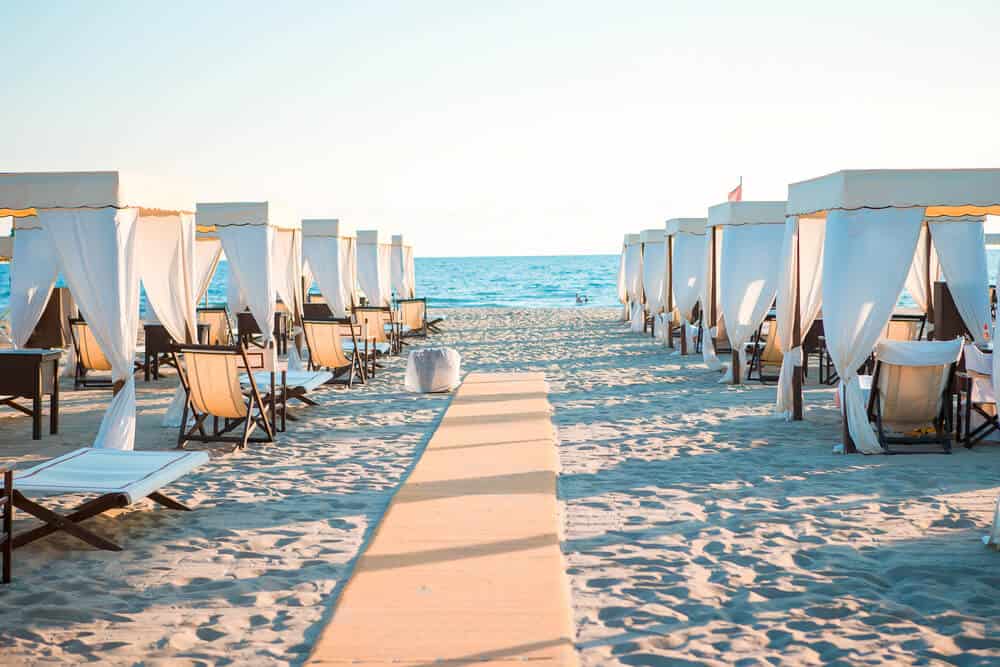
Some of Puglia’s most famous beaches are around Pescoluse in the southern Salento region. Here, so crystal clear is the water and so white and pale are the sandy beaches, that they have earned themselves the nickname of the ‘Maldives of Italy’.
In contrast, in the north of Puglia in the Gargano region, you have golden sands, white cliffs and pebbly coves. Here, the most popular and busiest beaches are around Peschici and Vieste, but if you are lucky enough to enjoy a boat trip, you’ll discover plenty of small coves where you can have the beach all to yourself.
Head further south from Gargano and you will arrive at Lama Monachile in Polignano a Mare. This is probably the most photographed beach in Puglia. And just north of Brindisi, you will discover several kilometres of beautifully unspoilt sandy beaches that forms the Torre Guaceto protected nature reserve.
Discover more about the beaches in Puglia in our guide to the top 10 beaches in Puglia to enjoy on your next Puglia villa holiday.
Best Places to Visit in Puglia
The towns and villages of Puglia – Alberobello, Bari, Brindisi, Lecce, Ostuni, Otranto, Polignano di Mare to name just a few – are all worth visiting on your next Puglia villa holiday. However, there are other sites in Puglia that should also make it on to your bucket list.
Grotte di Castellana
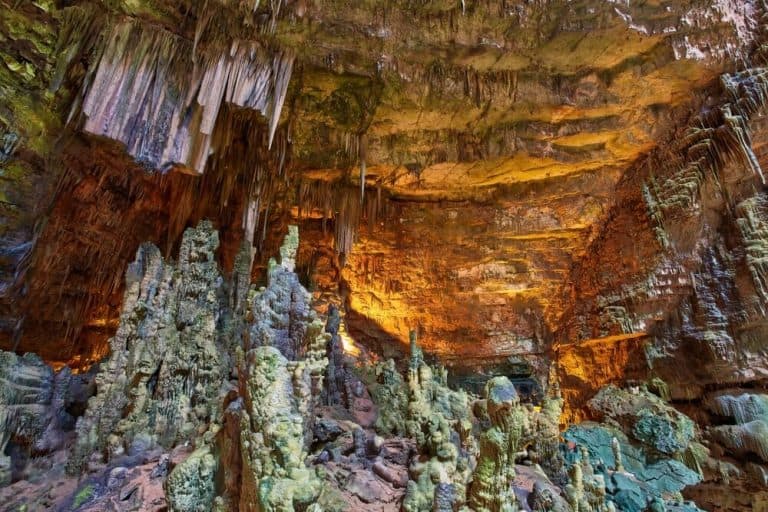
Measuring over 3 km long, the caves at Castellana are Italy’s longest natural underground network. Visitors have the option of a shorter 50 minute tour or a longer 2 hour path The highlight of both is the Grotta Bianca, a vast cavern measuring 100 metres long, 50 metres wide and 60 metres tall. Stalactites hang from the roof and stalagmites rise up from the ground. The most impressive formation of these is called Cyclops and sits in the centre of the cavern.
Gravina in Puglia
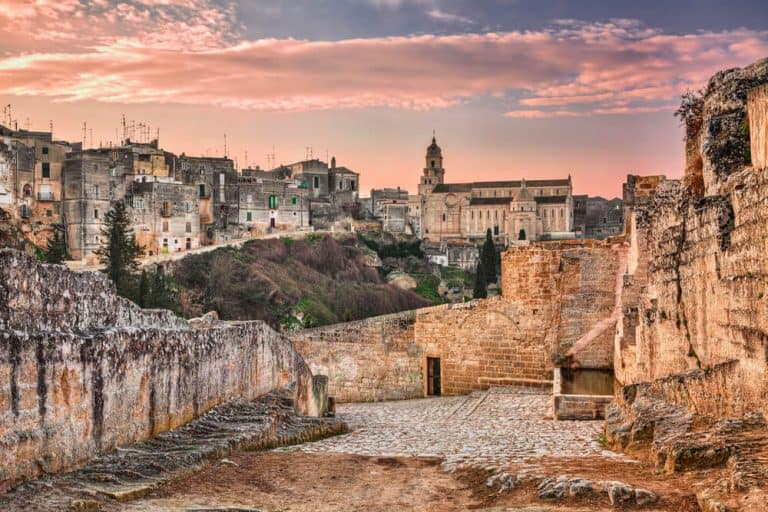
Gravina in Puglia sits approximately 60 km west of Bari within the Alta Murgia National Park. This ancient town is not unlike the much more famous Matera. In fact, whilst scenes from the opening sequence of the James Bond movie No Time to Die was filmed in Matera, the bridge Daniel Craig jumps off is, in fact, in Gravina in Puglia. On one side of this bridge is the Botromagno Archaeological Park where old monuments and churches are carved out of the rock. On the other side sits the old town and the breathtaking 11th century Romanesque Cathedral. At one of the smaller churches in the town – San Michele delle Grotte – you will discover a rather gruesome pile of skulls and bones. We recommend a walking tour of Gravina in Puglia and a visit to the underground caves.
Pasta ladies of Bari
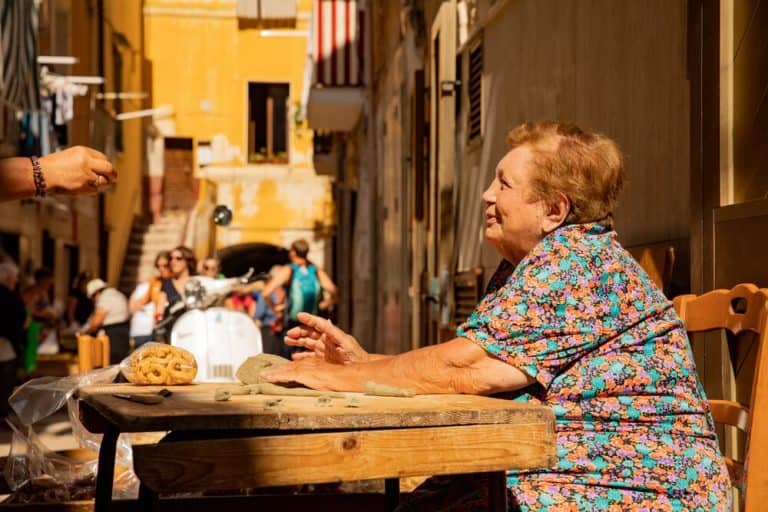
About 100 metres from the moat of Bari’s Norman castle is the Arco Alta, the entrance to Bari Vecchia. Here you will find ladies making pasta. These pasta ladies have industriously worked from their open kitchens for generations, spending days hand-crafting orrechiette, Puglia’s ear-shaped pasta. Wander through these streets and you will discover kilos of pasta drying on huge mesh trays, whilst the family washing hangs from balconies above.
Tremiti Islands
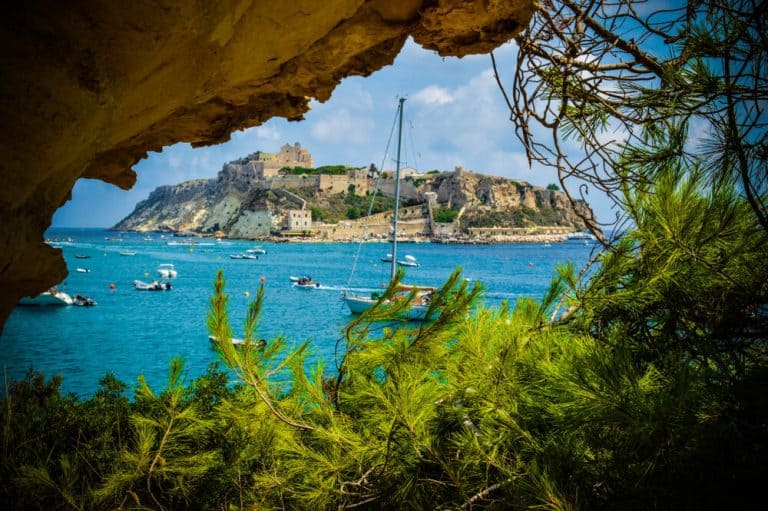
The Tremiti Islands sit in the breathtakingly beautiful Gargano National Park in the north of Puglia, as does the Umbra Forest with its dense forests and thick, lush meadows.There are five small islands within the archipelago – San Nicola, San Domino, Capraia, Cretaccio and Pianosa. A boat journey from the mainland will take you to the islands in as little as 50 minutes. San Nicola is the heart of the archipelago. It is also the second largest inhabited island, home to monks, hermits and even prisoners over the years. However, we prefer the largest island – San Domino – whose coastline is dotted with caves. Capraia is much wilder and more rugged and is the best place to enjoy scuba diving. Both Pianora and Cretaccio are deserted. The former is heavily protected from an environmental point of view whilst the latter is supposedly populated by ghosts.
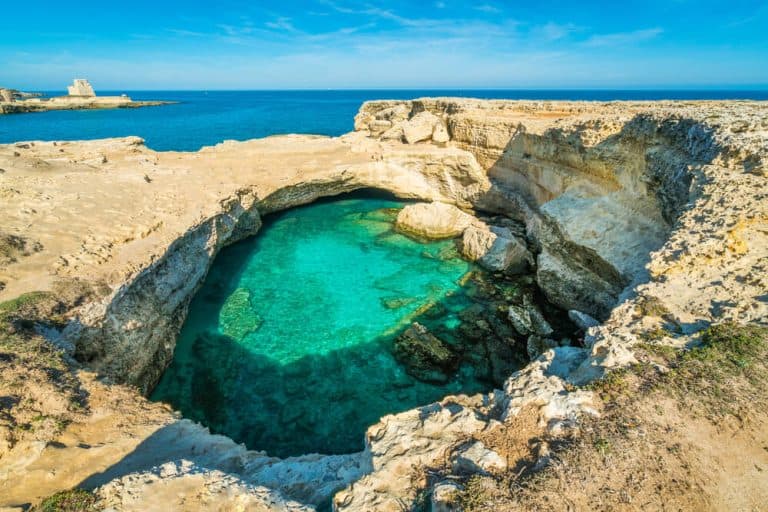
Grotta della Poesia
The Poetry Cave is a natural freshwater pool situated a 30 minute drive from Lecce. Whilst you once could dive from the cliffs that surround it into the crystal clear water below, swimming these days is strictly prohibited. However, it is still worth a visit. These dates, it forms one part of the Roca Vecchia archaeological site along with a fort and the Madonna of Roca Vecchia, a 16th century coastal defence tower. A short walk will take you to the second, larger part where you will discover the ruins of Bronze Age fortifications and Messapic walls.
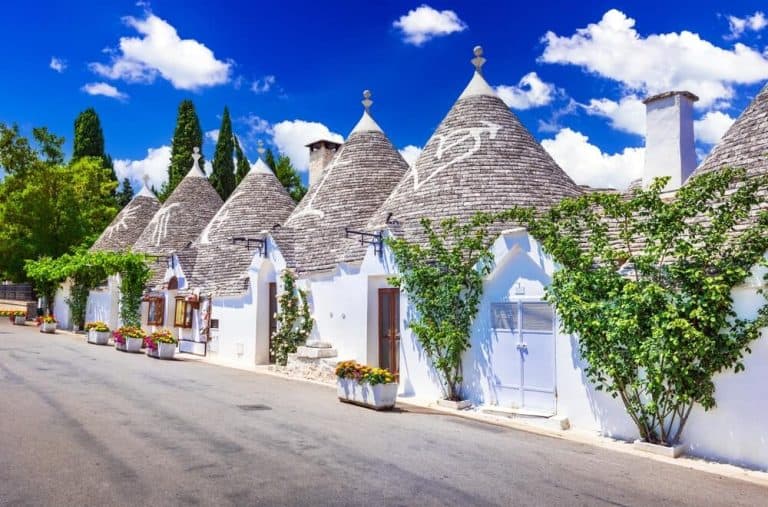
Trulli of Alberobello
One of Puglia’s UNESCO World Heritage sites, Alberobello’s trulli are an incredible example of drywall construction.Typically constructed from limestone blocks collected from the fields, they have domed or conical roofs. Whilst they can be found throughout the Itria Valley, they are to be found in the greatest concentration in the town of Alberobello. Here, over 1500 can be found in the two neighbourhoods of Rione Monti and Rione Aia Piccola.
Castel del Monte
Another of Puglia’s UNESCO World Heritage sites, the Castel del Monte is a 13th century octagonal shaped castle. Built for Frederick II, it is a unique example of military architecture that incorporates styles ranging from the Gothic to the Islamic Orient. Fun fact: The castle also appears on the Italian one euro coin.
Altamura Man
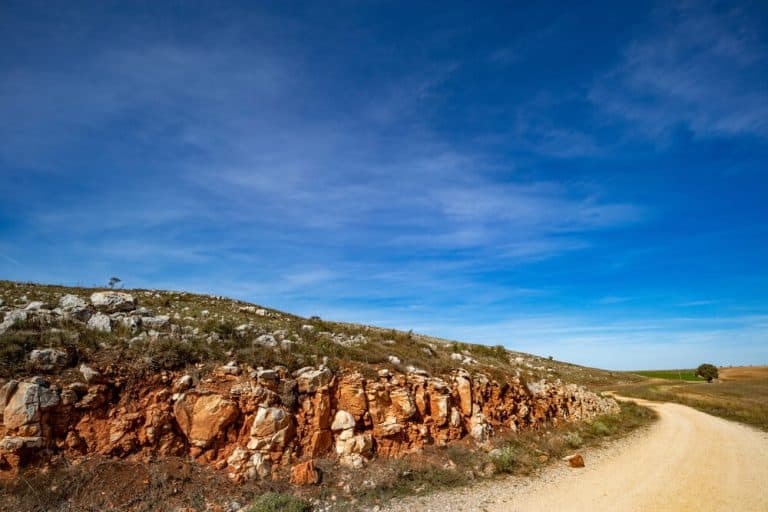
Altamura Man is a fossil of the species Homo and one of the most complete Palaeolithic skeletons ever to be discovered in Europe. It was discovered in caves near Altamura in 1993. Subsequent testing has revealed that it dates to between 128,000 and 187,000 years ago. Still covered in a thick layer of calcite and embedded in stalactites, the incredible discovery was left in situ to avoid any damage when trying to move it. However, visitors can learn more and see videos and 3D images at the visitor centre there.
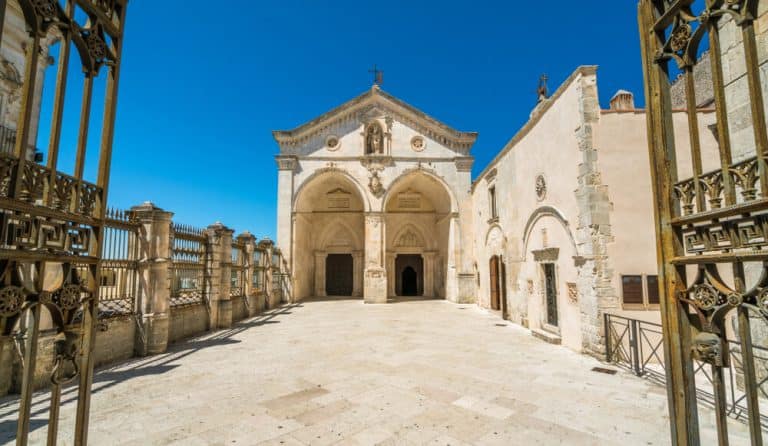
Monte Sant'Angelo
The third of Puglia’s UNESCO World Heritage sites, the Sanctuary of Sant’ Angelo sul Gargano is a cave where, according to legend, the Archangel Michael appeared. It forms part of a wider UNESCO site entitled the Longobards in Italy: Places of the Power.
What to Eat and Drink in Puglia while on a luxury holiday
As you can would expect from a region affectionately known as the ‘breadbasket of Italy’, Puglia serves up the most delicious food. There are plenty of regional specialities we recommend you trying during your Puglia villa holiday.
Orecchiette with Cime di Rapa
Orecchiette with cime di rapa is a traditional Puglian dish. Orecchiete is ear-shaped pasta. Cime di rapa is also known as broccoli rabe or rapini. A type of brassica, it has long leaves and small broccoli-like florets. But it has a bitterness to it that broccoli does not. Head to Bari to see the Italian grannies making the pasta by hand in the aptly named Strada delle Orecchiete.
Puglia also has a second pasta shape – troccoli. Not dissimilar to pici pasta, it is best described as a thick spaghetti like pasta.
Cheese
Puglia is home to a number of mouth-watering cheeses. Burrata is a delicious Italian cheese that originated in Puglia. It may look like a ball of mozzarella on the outside but inside it is filled with creamy stracciatella, fresh clotted cream and shredded mozzarella curds. It is softer, creamer and less elastic than mozzarella. Break into it and it is a delicious oozing gooey treat.
Other cheeses that originated in Puglia include the distinctive pear-shaped Caciocavallo Podolico. It is a stretched curd cheese made from a particular breed of Italian cattle – Podolico cows. If you find fried Caciocavallo cheese served with basil and tomatoes on the menu, definitely order it! It’s delicious!
Also specific to Puglia is Canestrato Pugliese, a hard sheep’s cheese as well as some types of ricotta cheese.
Bread
Travel around Italy and you’ll soon realise that each region of Italy boasts its own bread specialities. Puglia is no different. Its most famous bread – Pane di Altamura – has ancient origins and is easily recognised thanks to its thick crust which is at least 3mm thick. It was described by the Latin poet Horace as, ‘the best bread in the world’ and we would have to agree! Centuries ago, it would have been kneaded at home, baked in public ovens and used to feed peasants and shepherds who would have had to stay away from home for days. The thick crust would have kept the bread fresh for longer. Each family would have had a unique stamp so that they could distinguish one loaf from another. Interestingly, if you go to Altamura today, these public bread ovens still exist. And this same tradition of stamping the bread even continues in some families to this day too. These days, Pane di Altamura is also one of just nine Italian breads that has DOP (Protected Destination of Origin) status.
Puglia is also home to Focaccia Barese. Whilst not as famous as the Foccacia Genovese, this flat bread from Bari is absolutely delicious. It’s often prepared using a few different types of flour and also includes potato which gives it an extra springy texture. Find it in bakeries topped with tomatoes, olives or onions along with plenty of olive oil.
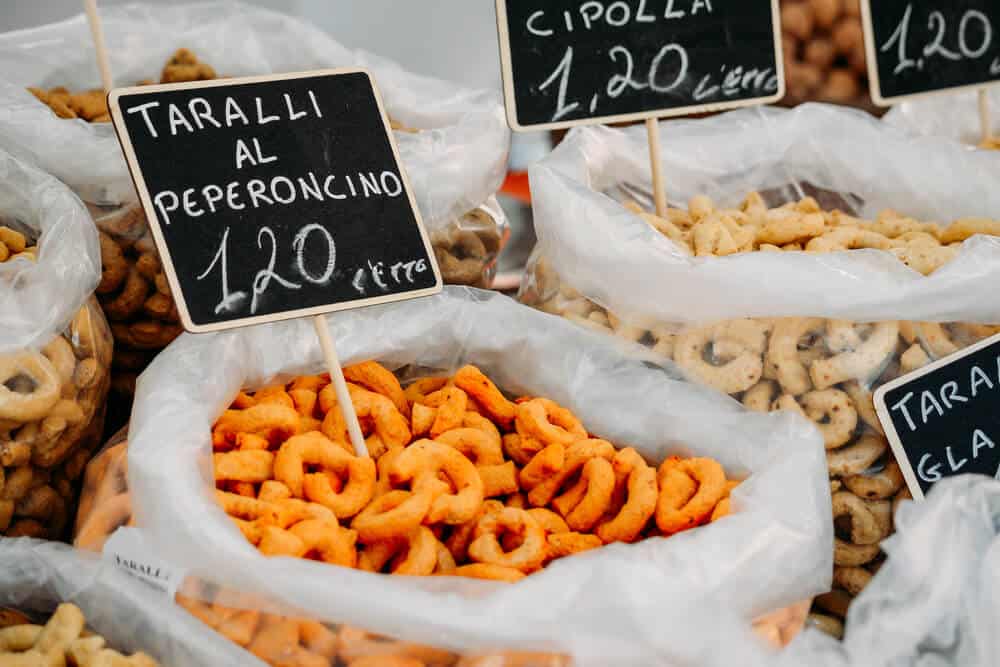
You will also find taralli in Puglia. Taralli are a type of dried bread. Perhaps best described as a circular breadstick, taralli are the perfect accompaniment to your aperitivo.
Bombette di Alberobello
Originating from the town of Alberobello in Puglia, bombette are small rolls of pork meat wrapped around caciocavallo cheese, salami and herbs before being roasted on skewers. We think they’re best tried in Alberobello itself or in nearby Cisternino at one of the barbecuing butchers!
Puccia
Hailing from the Salento in southern Puglia, puccia is a round, soft bread with a crisp crust that is traditionally baked in a wood-fired oven. It is sliced open while still warm and filled with whatever takes your fancy, from cured meats and local cheeses to grilled vegetables. Simple but delicious, a puccia makes the perfect lunch on the go, whether you’re sightseeing in Lecce or spending the day at the beach.
Raw Seafood
With so much coastline, it’s no surprise that seafood plays a starring role in Puglian cuisine. One tradition you may not expect, though, is the region’s love of raw seafood, known as crudo di mare. On Bari’s seafront, it’s common to see fishermen selling freshly caught sea urchins, mussels, oysters and octopus, which locals eat on the spot with nothing more than a squeeze of lemon. If you prefer something a little more refined, many of Puglia’s seafood restaurants serve elegant raw seafood platters, best enjoyed with a glass of chilled local white wine.
Pasticciotto
No trip to Puglia is complete without trying a pasticciotto. This oval shortcrust pastry is filled with a rich, creamy custard and is said to have been created in the town of Galatina, near Lecce, in the 18th century. Locals traditionally enjoy it warm for breakfast, ideally alongside a caffè leccese, an iced espresso sweetened with almond milk, making it the perfect start to a day of exploring.
Let’s turn your dream Puglia luxury holiday into reality
A luxury holiday in Puglia is filled with moments that stay with you long after you’ve returned home. It’s the first swim of the morning in crystal-clear water, a glass of chilled Fiano as the sun sets over the olive groves, and the simple pleasure of a long, lazy lunch on your own private terrace.
We take care of the finer details so you can simply enjoy the experience. Whether you’re looking for a restored masseria with a private pool, a traditional trullo in the countryside or help from our concierge service to arrange a private chef or wine tasting, we’re here to make your stay truly seamless. If you’re still deciding which part of the region to base yourself in, our guide on where to stay in Puglia is a great place to start.
Take a look at our handpicked collection of luxury villas in Puglia today, and let’s start crafting your unforgettable Italian getaway!
Have questions or need personalised recommendations? Contact our team, we are always happy to help!